
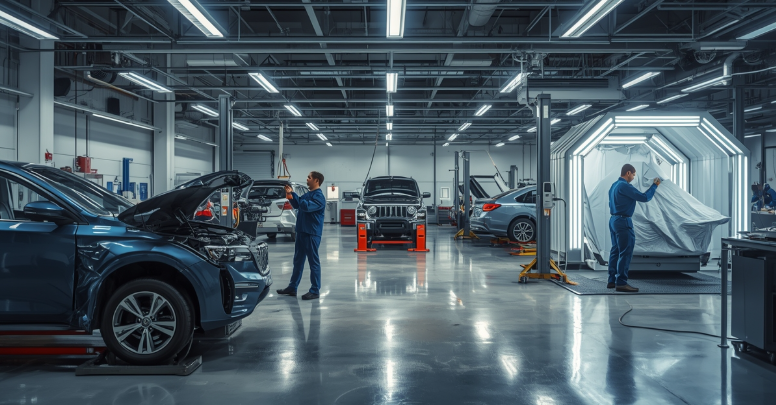
Accidents come in all sizes. Some leave nothing more than a small crease on a bumper, while others cause major structural issues that take time and precision to fix. No matter how it happens, the process of bringing a vehicle back to its pre-accident condition involves more than most people realize. A collision repair shop blends craftsmanship, training, specialized tools and careful planning to restore both function and appearance. For drivers who want to understand what goes on behind the scenes, it helps to walk through each stage.
Breezy Point Auto Body works with vehicles of every kind, from compact cars to trucks, and handles everything from minor dents to complete rebuilds. When you know what happens from the moment a damaged car arrives, the entire experience feels less overwhelming and far more transparent.
The Initial Intake and Inspection
Every repair begins the moment the vehicle enters the facility. The intake process sets the tone for the work ahead, which is why the team focuses on gathering clear information and documenting all visible damage.
During this stage, technicians do the following:
- Review the driver’s account of the incident.
- Note any safety concerns such as fluid leaks or warning lights.
- Take photos for records and insurance communication.
- Perform a quick walkaround to identify obvious dents, cracks or alignment issues.
Once the intake is complete, a more detailed inspection begins. Modern vehicles rely heavily on sensors, computers and electrical systems, so the technician cannot rely solely on sight. A deeper check helps reveal internal damage that might not show on the surface. Many shops use vehicle diagnostic scanning to identify issues involving airbag modules, advanced driver assistance systems and electronic panels. This early step is crucial because it sets the foundation for an accurate repair plan.
Writing the Repair Estimate
After the inspection, the estimator puts together a clear breakdown of parts, labor and time. Insurance companies rely on this document to approve work and authorize payment. A good estimate avoids surprises and gives the customer a full overview before the repair begins.
A thorough estimate includes:
- Replacement parts needed for damaged panels or mechanical components.
- Labor hours required for disassembly, repair and finishing.
- Notes about structural work or frame realignment.
- Information on paint materials and refinishing requirements.
The estimator also explains whether the shop will repair or replace certain parts. In many cases, repairing a panel can save time and cost, but only if the structural integrity is preserved. Customers appreciate transparency during this step because it helps them understand both the pricing and the timeline.
Disassembly and Hidden Damage Detection
Once the repair is approved, the next step is disassembly. At first glance, removing parts might look like a simple task. In reality, it serves a bigger purpose. When exterior panels are taken off, the team can see areas that were previously hidden.
Common issues found during this stage include:
- Twisted brackets or supports behind bumpers.
- Crumpled metal hidden behind panels.
- Bent suspension components.
- Damage to wiring harnesses.
If new issues are uncovered, the shop updates the estimate so the customer and insurance carrier know what changed. This ensures the repair stays accurate and avoids setbacks later.
Structural and Frame Repairs
A vehicle’s frame is its foundation. Even a slight shift can affect alignment and cause long-term problems with steering and suspension. Collision repair facilities use computerized measuring systems that compare the vehicle’s condition to manufacturer specifications. These measurements help the technician determine where the frame needs correction.
Using specialized frame equipment, the team pulls or pushes the vehicle back into proper shape. This step demands precision because even a small misalignment can compromise the car’s safety. Supporting components are repaired or replaced to ensure everything fits as it should. When the structure is restored, the shop can move to cosmetic and mechanical repairs with confidence.
Body Repair and Surface Preparation
Once the frame is secure, the technicians begin shaping and repairing damaged panels. The goal is to restore the vehicle’s original contours so the final finish looks seamless. Depending on the type of damage, the team may fill small imperfections, smooth dents or replace panels altogether.
Body work involves:
- Straightening metal to match factory lines.
- Sanding surfaces to prepare for refinishing.
- Priming areas that have been repaired.
- Checking panel gaps and alignment.
This stage takes patience and skill. Any imperfection left during this phase becomes noticeable after painting, so the technician carefully examines the surface from every angle.
Paint Matching and Refinishing
Color accuracy is one of the most noticeable parts of collision repair. Customers want their vehicle to look exactly as it did before the accident. Shops often rely on a computerized auto paint mixing machine to match the factory shade precisely. These systems scan the vehicle’s existing paint and measure the formula needed to achieve a smooth blend.
The refinishing process usually includes:
- Applying primer to help the new paint bond.
- Adding the color coat for depth.
- Finishing with a clear coat that adds shine and protection.
Professional painters understand how lighting, temperature and spray technique affect the final appearance. Their work helps ensure the repaired area blends perfectly with the rest of the vehicle. Many people find it surprising how much technique goes into making a finish look flawless.
Mechanical Repairs and Safety System Calibration
Modern vehicles are full of technology. Once the body work is complete, mechanical components and safety features need to be checked and fine-tuned. This includes suspension parts, wheel alignment and anything affected by the impact.
Shops also calibrate safety systems such as:
- Adaptive cruise control sensors.
- Blind spot monitoring.
- Lane departure cameras.
- Airbag modules.
Calibration ensures these features operate exactly as designed. Any misalignment can affect response time or lead to warnings while driving. This step is necessary for vehicles equipped with today’s advanced systems.
Reassembly and Quality Control
When repairs and painting are finished, technicians begin reassembly. Every clip, bolt and trim piece must be placed correctly. This stage brings the vehicle back to full form and prepares it for the final review.
Quality control includes:
- Inspecting the paint for texture and clarity.
- Checking that doors, hoods and trunk lids open smoothly.
- Testing lights, sensors and electrical components.
- Completing a road test to verify handling and performance.
Shops that prioritize quality control deliver vehicles that feel reliable and safe. Many customers say this final stage is when they finally relax and feel confident in their car again.
The Importance of Choosing the Right Collision Repair Facility
Not all collision shops offer the same experience or level of care. Drivers often look for facilities that provide clear information, modern equipment, trained technicians and a strong record of customer support. A trusted team keeps you informed and treats your vehicle with the attention it needs.
Choosing a shop like breezy point auto body stratford ct helps ensure your vehicle receives precise care. With years of experience, sophisticated repair tools and a focus on safety, the facility provides work that meets high standards. Other benefits of teaming up with a reliable repair center include:
- Strong communication with insurance carriers.
- Repairs that follow manufacturer guidelines.
- Access to updated technology.
- A straightforward and stress-free process.
Customers often search for a dependable auto body shop Stratford when they need help after an accident. Selecting the right place makes a noticeable difference in the final result.
How Restorations Differ from Standard Collision Repairs
While many cars come into the shop because of accidents, some arrive for full restorations. This type of project requires more time and a different approach. Instead of focusing only on damage from a collision, the team studies the entire structure and appearance of the vehicle.
Restoration work may include:
- Stripping the vehicle to its bare frame.
- Rebuilding mechanical systems.
- Refinishing the body and interior.
- Custom paint or detail work.
Restorations often involve older cars that need specialized care. Technicians must understand vintage parts, aging materials and classic design. Many car owners invest in this work because they want to bring a cherished vehicle back to life.
Shops that offer both accident repairs and restoration services must balance modern techniques with traditional craftsmanship. Breezy Point Auto Body brings the same attention to detail to every project, no matter the size or scope.
What Customers Can Expect During the Repair Timeline
Even though every repair is unique, most follow a similar pattern. Understanding the timeline helps drivers stay informed and prepared.
Typical stages include:
- Intake, inspection and estimate.
- Disassembly and structural assessment.
- Frame corrections if needed.
- Body repairs and panel work.
- Painting and refinishing.
- Mechanical checks and calibration.
- Reassembly and final quality inspection.
The shop keeps customers updated throughout the process. Timely communication ensures that all parties understand what is happening each step of the way.
A Friendly Reminder About Safety and Insurance
Collision repair is not only about appearance. It ensures the vehicle protects you as effectively as it did before the accident. Drivers should never ignore even small issues after a collision. Warning lights, unusual sounds or changes in handling can point to hidden damage.
Insurance companies typically work closely with repair shops to confirm that everything follows the approved plan. Keeping an open line of communication with both the shop and the insurer helps avoid delays and improves the overall experience.
Bringing Confidence Back to Every Driver
Accidents can be stressful, but knowing what happens during repairs can make the situation feel more manageable. From the first inspection to the final polish, a collision repair shop puts in careful work to ensure your vehicle looks great and drives safely. The goal is always to get you back on the road with confidence.
If you’re dealing with accident damage or want to restore a vehicle to its best condition, Breezy Point Auto Body is ready to help. Learn more and request assistance at https://breezypointautobody.com/