
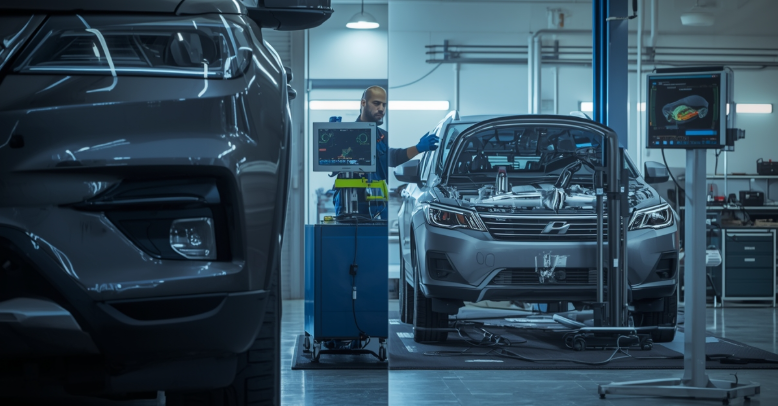
After a collision, the damage you can see often feels like the full story. A dented door, a cracked bumper, or chipped paint are clear signs that something went wrong. Once those issues are fixed, many drivers assume the vehicle is back to normal. In reality, collisions often cause damage beneath the surface that is easy to miss and risky to ignore.
Hidden damage can affect safety, performance, and long-term reliability. It may not show up right away, but it can create serious problems down the road. Understanding what happens beneath the exterior helps you make better decisions after an accident and protect both your vehicle and the people who ride in it.
Why hidden damage is so common after accidents
Modern vehicles are built with complex systems designed to absorb impact and protect passengers. Even low-speed collisions can transfer force through the frame, suspension, and internal components. While the exterior panels may bounce back or appear mostly intact, internal parts often take the hit.
Some reasons hidden damage is common include:
- Energy from impact travels through the entire structure of the car
- Many critical components sit behind panels or under the vehicle
- Sensors and electronics can fail without obvious signs
- Modern materials can bend or weaken without visible cracks
Because of this, a car that looks drivable may still be compromised in ways that affect safety and performance.
Structural damage you cannot see
One of the most serious forms of hidden damage involves the vehicle’s structure. The frame or unibody is designed to maintain shape and absorb impact in specific ways. When it bends or shifts, even slightly, the car may no longer protect occupants as intended.
Frame and unibody alignment issues
Most vehicles today use a unibody design rather than a full frame. This structure combines the body and frame into one system. When a collision occurs, certain areas are meant to crumple while others remain rigid.
Problems that can occur include:
- Twisting or bending of structural components
- Misalignment that affects doors, hood, or trunk closure
- Reduced effectiveness in future collisions
These issues are often invisible without proper measuring tools. Driving with structural damage can also lead to uneven tire wear and handling problems.
Impact on crash safety
A vehicle that has suffered structural damage may not respond correctly in another accident. Crumple zones might not absorb energy as designed, increasing the risk of injury. This is one reason why professional inspections matter after any significant collision.
Suspension and steering problems that develop over time
Suspension and steering systems are especially vulnerable during impacts. They absorb shock and maintain control, which means they often take damage even when the exterior looks fine.
Common hidden issues include:
- Bent control arms or tie rods
- Misaligned wheels
- Damaged shocks or struts
These problems may start small but worsen with use. You might notice the car pulling to one side, vibrations at higher speeds, or uneven tire wear weeks after the accident.
Ignoring these signs can reduce control and increase stopping distance, making everyday driving less safe.
Damage to internal mechanical systems
Beyond the structure and suspension, collisions can affect mechanical components that are not immediately visible.
Cooling system concerns
Radiators, hoses, and fans are often located near the front of the vehicle. Even a minor front-end impact can cause small leaks or airflow restrictions.
Possible consequences include:
- Gradual coolant loss
- Overheating during longer drives
- Engine damage if the problem goes unnoticed
Exhaust and drivetrain issues
Impacts from below or behind can shift exhaust components or drivetrain parts. This may lead to unusual noises, reduced efficiency, or vibrations that appear later.
These issues are rarely obvious during a quick visual check but can shorten the lifespan of major components if left unaddressed.
Electronics and sensor damage
Modern vehicles rely heavily on electronics. Airbags, advanced driver assistance systems, and engine controls all depend on sensors and wiring. A collision can disrupt these systems even if no warning lights appear right away.
Sensor misalignment and failure
Cameras and sensors used for features like lane warnings and collision alerts require precise positioning. A slight shift can cause inaccurate readings or system shutdowns.
Problems may include:
- Safety features not working correctly
- Warning lights appearing days or weeks later
- Reduced effectiveness of driver assistance systems
This is why professional vehicle diagnostic scanning is so important after a collision. It allows technicians to check for error codes and hidden faults that are not visible to the eye.
Paint and body issues that show up later
Paint damage is not always limited to scratches or chips. Collisions can compromise the protective layers that prevent rust and corrosion.
Hidden paint damage
Even if paint looks intact, the underlying layers may be cracked or weakened. Over time, moisture can seep in and cause rust beneath the surface.
Signs that appear later include:
- Bubbling paint
- Discoloration
- Rust forming along seams or edges
Quality body and paint work restores both appearance and protection. Advanced tools like a computerized auto paint mixing machine help ensure color accuracy and proper coverage, which plays a role in long-term durability.
How hidden damage affects long-term value
Ignoring hidden damage does not just affect safety. It also impacts the value of your vehicle.
Potential consequences include:
- Reduced resale or trade-in value
- Higher repair costs later
- Difficulty passing inspections
- Increased risk of breakdowns
What seems like a small issue today can become an expensive repair if left alone. Addressing problems early is usually more cost-effective and less stressful.
Why professional inspections matter
After a collision, a thorough inspection by trained technicians is the best way to uncover hidden damage. Visual checks alone are not enough for modern vehicles.
A professional inspection often includes:
- Structural measurements
- Suspension and steering evaluation
- Mechanical system checks
- Diagnostic scans of electronic systems
Choosing a trusted certified collision repair center ensures that the work follows manufacturer guidelines and safety standards. This level of care helps restore the vehicle as closely as possible to its pre-accident condition.
Common myths about post-collision damage
Many drivers rely on assumptions that can lead to overlooked issues.
“If it drives fine, it must be fine”
Vehicles can feel normal even with serious internal damage. Problems may only appear under certain conditions or after more time has passed.
“Insurance inspections catch everything”
Insurance inspections focus on visible damage and claim-related repairs. They may not always include the deep diagnostics needed to uncover hidden problems.
“Minor accidents do not cause real damage”
Low-speed collisions can still affect sensors, alignment, and internal components. Even small impacts deserve attention.
What to do after a collision
Taking the right steps after an accident helps protect your safety and investment.
Consider the following actions:
- Schedule a full inspection even if damage looks minor
- Pay attention to new sounds, vibrations, or warning lights
- Address repairs promptly to avoid further damage
- Choose a repair facility with experience and proper equipment
If you are in Connecticut and looking for dependable care, breezy point auto repair services are designed to address both visible and hidden damage with attention to detail.
The role of experienced technicians
Skilled technicians understand how modern vehicles are built and how collisions affect them. They use specialized tools and training to identify problems that others may miss.
At a professional auto body shop Stratford, the goal is not just to make the car look good, but to restore safety, performance, and reliability. That approach gives drivers confidence every time they get behind the wheel.
Peace of mind starts with proper repairs
Hidden damage is one of the most overlooked risks after a collision. While it may not be obvious, it can affect nearly every part of your vehicle, from safety systems to long-term value. Taking the time to address these issues early protects you, your passengers, and your investment.
If your vehicle has been in an accident, do not rely on appearances alone. A thorough inspection and quality repair work can make all the difference. To learn more or schedule an evaluation with a trusted local team, visit https://breezypointautobody.com/ and take the next step toward getting your vehicle back to safe, reliable condition.