From Fender Benders to Full Restorations: What Really Happens in a Collision Repair Shop

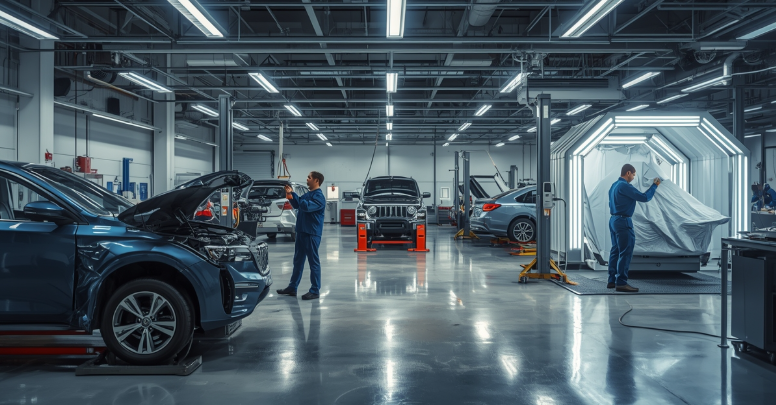
Accidents come in all sizes. Some leave nothing more than a small crease on a bumper, while others cause major structural issues that take time and precision to fix. No matter how it happens, the process of bringing a vehicle back to its pre-accident condition involves more than most people realize. A collision repair shop blends craftsmanship, training, specialized tools and careful planning to restore both function and appearance. For drivers who want to understand what goes on behind the scenes, it helps to walk through each stage.

Breezy Point Auto Body works with vehicles of every kind, from compact cars to trucks, and handles everything from minor dents to complete rebuilds. When you know what happens from the moment a damaged car arrives, the entire experience feels less overwhelming and far more transparent.

The Initial Intake and Inspection

Every repair begins the moment the vehicle enters the facility. The intake process sets the tone for the work ahead, which is why the team focuses on gathering clear information and documenting all visible damage.

During this stage, technicians do the following:

  • Review the driver’s account of the incident.
  • Note any safety concerns such as fluid leaks or warning lights.
  • Take photos for records and insurance communication.
  • Perform a quick walkaround to identify obvious dents, cracks or alignment issues.

Once the intake is complete, a more detailed inspection begins. Modern vehicles rely heavily on sensors, computers and electrical systems, so the technician cannot rely solely on sight. A deeper check helps reveal internal damage that might not show on the surface. Many shops use vehicle diagnostic scanning to identify issues involving airbag modules, advanced driver assistance systems and electronic panels. This early step is crucial because it sets the foundation for an accurate repair plan.

Writing the Repair Estimate

After the inspection, the estimator puts together a clear breakdown of parts, labor and time. Insurance companies rely on this document to approve work and authorize payment. A good estimate avoids surprises and gives the customer a full overview before the repair begins.

A thorough estimate includes:

  • Replacement parts needed for damaged panels or mechanical components.
  • Labor hours required for disassembly, repair and finishing.
  • Notes about structural work or frame realignment.
  • Information on paint materials and refinishing requirements.

The estimator also explains whether the shop will repair or replace certain parts. In many cases, repairing a panel can save time and cost, but only if the structural integrity is preserved. Customers appreciate transparency during this step because it helps them understand both the pricing and the timeline.

Disassembly and Hidden Damage Detection

Once the repair is approved, the next step is disassembly. At first glance, removing parts might look like a simple task. In reality, it serves a bigger purpose. When exterior panels are taken off, the team can see areas that were previously hidden.

Common issues found during this stage include:

  • Twisted brackets or supports behind bumpers.
  • Crumpled metal hidden behind panels.
  • Bent suspension components.
  • Damage to wiring harnesses.

If new issues are uncovered, the shop updates the estimate so the customer and insurance carrier know what changed. This ensures the repair stays accurate and avoids setbacks later.

Structural and Frame Repairs

A vehicle’s frame is its foundation. Even a slight shift can affect alignment and cause long-term problems with steering and suspension. Collision repair facilities use computerized measuring systems that compare the vehicle’s condition to manufacturer specifications. These measurements help the technician determine where the frame needs correction.

Using specialized frame equipment, the team pulls or pushes the vehicle back into proper shape. This step demands precision because even a small misalignment can compromise the car’s safety. Supporting components are repaired or replaced to ensure everything fits as it should. When the structure is restored, the shop can move to cosmetic and mechanical repairs with confidence.

Body Repair and Surface Preparation

Once the frame is secure, the technicians begin shaping and repairing damaged panels. The goal is to restore the vehicle’s original contours so the final finish looks seamless. Depending on the type of damage, the team may fill small imperfections, smooth dents or replace panels altogether.

Body work involves:

  • Straightening metal to match factory lines.
  • Sanding surfaces to prepare for refinishing.
  • Priming areas that have been repaired.
  • Checking panel gaps and alignment.

This stage takes patience and skill. Any imperfection left during this phase becomes noticeable after painting, so the technician carefully examines the surface from every angle.

Paint Matching and Refinishing

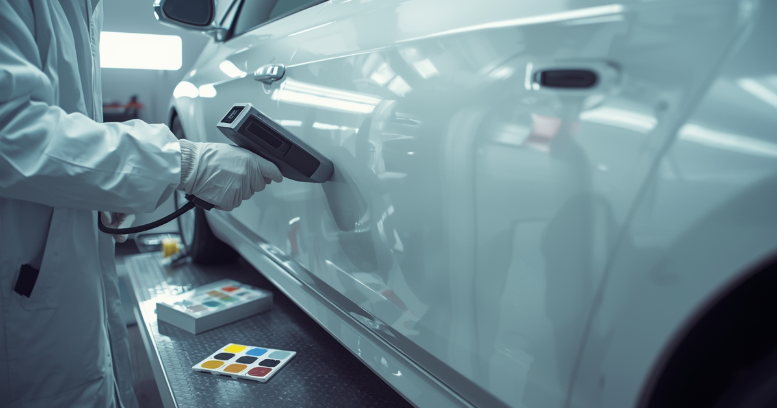
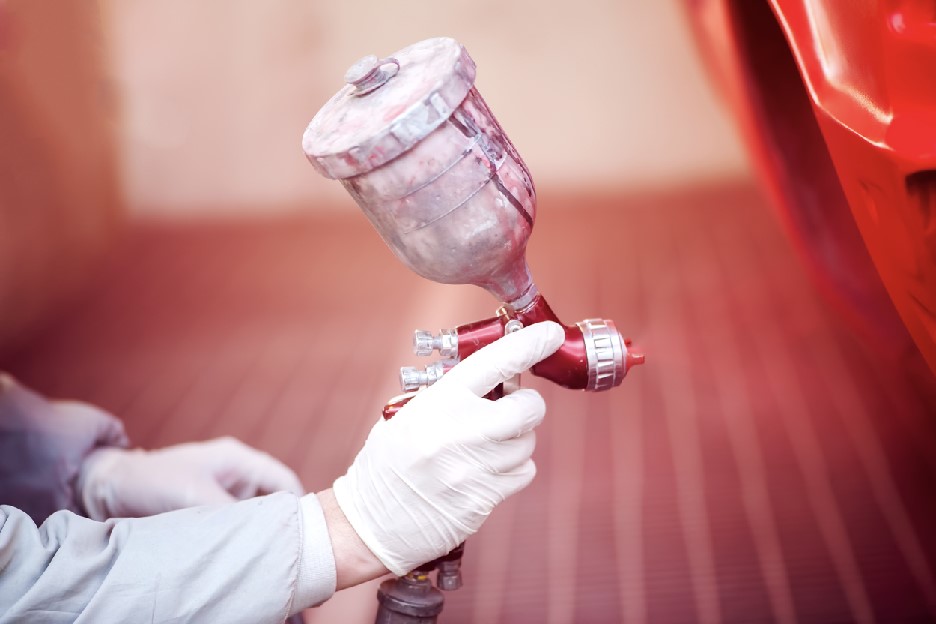
Color accuracy is one of the most noticeable parts of collision repair. Customers want their vehicle to look exactly as it did before the accident. Shops often rely on a computerized auto paint mixing machine to match the factory shade precisely. These systems scan the vehicle’s existing paint and measure the formula needed to achieve a smooth blend.

The refinishing process usually includes:

  • Applying primer to help the new paint bond.
  • Adding the color coat for depth.
  • Finishing with a clear coat that adds shine and protection.

Professional painters understand how lighting, temperature and spray technique affect the final appearance. Their work helps ensure the repaired area blends perfectly with the rest of the vehicle. Many people find it surprising how much technique goes into making a finish look flawless.

Mechanical Repairs and Safety System Calibration

Modern vehicles are full of technology. Once the body work is complete, mechanical components and safety features need to be checked and fine-tuned. This includes suspension parts, wheel alignment and anything affected by the impact.

Shops also calibrate safety systems such as:

  • Adaptive cruise control sensors.
  • Blind spot monitoring.
  • Lane departure cameras.
  • Airbag modules.

Calibration ensures these features operate exactly as designed. Any misalignment can affect response time or lead to warnings while driving. This step is necessary for vehicles equipped with today’s advanced systems.

Reassembly and Quality Control

When repairs and painting are finished, technicians begin reassembly. Every clip, bolt and trim piece must be placed correctly. This stage brings the vehicle back to full form and prepares it for the final review.

Quality control includes:

  • Inspecting the paint for texture and clarity.
  • Checking that doors, hoods and trunk lids open smoothly.
  • Testing lights, sensors and electrical components.
  • Completing a road test to verify handling and performance.

Shops that prioritize quality control deliver vehicles that feel reliable and safe. Many customers say this final stage is when they finally relax and feel confident in their car again.

The Importance of Choosing the Right Collision Repair Facility

Not all collision shops offer the same experience or level of care. Drivers often look for facilities that provide clear information, modern equipment, trained technicians and a strong record of customer support. A trusted team keeps you informed and treats your vehicle with the attention it needs.

Choosing a shop like breezy point auto body stratford ct helps ensure your vehicle receives precise care. With years of experience, sophisticated repair tools and a focus on safety, the facility provides work that meets high standards. Other benefits of teaming up with a reliable repair center include:

  • Strong communication with insurance carriers.
  • Repairs that follow manufacturer guidelines.
  • Access to updated technology.
  • A straightforward and stress-free process.

Customers often search for a dependable auto body shop Stratford when they need help after an accident. Selecting the right place makes a noticeable difference in the final result.

How Restorations Differ from Standard Collision Repairs

While many cars come into the shop because of accidents, some arrive for full restorations. This type of project requires more time and a different approach. Instead of focusing only on damage from a collision, the team studies the entire structure and appearance of the vehicle.

Restoration work may include:

  • Stripping the vehicle to its bare frame.
  • Rebuilding mechanical systems.
  • Refinishing the body and interior.
  • Custom paint or detail work.

Restorations often involve older cars that need specialized care. Technicians must understand vintage parts, aging materials and classic design. Many car owners invest in this work because they want to bring a cherished vehicle back to life.

Shops that offer both accident repairs and restoration services must balance modern techniques with traditional craftsmanship. Breezy Point Auto Body brings the same attention to detail to every project, no matter the size or scope.

What Customers Can Expect During the Repair Timeline

Even though every repair is unique, most follow a similar pattern. Understanding the timeline helps drivers stay informed and prepared.

Typical stages include:

  1. Intake, inspection and estimate.
  2. Disassembly and structural assessment.
  3. Frame corrections if needed.
  4. Body repairs and panel work.
  5. Painting and refinishing.
  6. Mechanical checks and calibration.
  7. Reassembly and final quality inspection.

The shop keeps customers updated throughout the process. Timely communication ensures that all parties understand what is happening each step of the way.

A Friendly Reminder About Safety and Insurance

Collision repair is not only about appearance. It ensures the vehicle protects you as effectively as it did before the accident. Drivers should never ignore even small issues after a collision. Warning lights, unusual sounds or changes in handling can point to hidden damage.

Insurance companies typically work closely with repair shops to confirm that everything follows the approved plan. Keeping an open line of communication with both the shop and the insurer helps avoid delays and improves the overall experience.

Bringing Confidence Back to Every Driver

Accidents can be stressful, but knowing what happens during repairs can make the situation feel more manageable. From the first inspection to the final polish, a collision repair shop puts in careful work to ensure your vehicle looks great and drives safely. The goal is always to get you back on the road with confidence.

If you’re dealing with accident damage or want to restore a vehicle to its best condition, Breezy Point Auto Body is ready to help. Learn more and request assistance at https://breezypointautobody.com/

The Science of Color Matching: How We Bring Your Car’s Paint Back to Life

When your car’s paint gets scratched, faded, or damaged after an accident, restoring its original look can seem impossible. But at Breezy Point Auto Body in Stratford, CT, color matching is more than just a repair process—it’s a careful blend of science, technology, and craftsmanship. Perfectly matching your car’s original paint is what turns a collision repair into a restoration that feels brand new again.

Let’s explore how professional color matching works, why it’s so important, and how our team ensures every vehicle leaves our shop looking flawless.

Understanding the Art and Science Behind Color Matching

Every car’s paint has a unique formula created by the manufacturer. Even within the same make and model, there can be slight variations caused by production batches, sun exposure, or aging. That’s why a simple “red” or “silver” isn’t enough to describe a color.

The science of color matching involves analyzing the vehicle’s paint code, assessing how the color looks under different lighting conditions, and then precisely recreating it using advanced equipment. At Breezy Point Auto Body, we use a computerized auto paint mixing machine to achieve exact results every time.

This technology scans the paint and identifies the exact combination of pigments, metallic flakes, and tints needed to replicate the original color. The final result is a perfect match that blends seamlessly with the rest of the vehicle.

The Role of Technology in Precision Color Matching

Modern auto body shops like ours depend on cutting-edge technology to deliver accurate, consistent results. We use digital spectrophotometers—highly sensitive devices that read color at a microscopic level. These readings are then compared against a massive database of paint formulations from manufacturers around the world.

Here’s how technology helps us ensure perfect results:

  • Accurate Color Readings: The spectrophotometer captures the car’s current paint shade, factoring in age and exposure to sunlight.
  • Computerized Formula Matching: The system cross-references data with the manufacturer’s database to generate an exact mixing formula.
  • Automated Mixing Process: Using a computerized auto paint mixing machine, our technicians recreate the color with pinpoint accuracy.
  • Real-World Testing: Once mixed, the paint is tested on a small panel to ensure it looks identical under natural and artificial light.

This precision-driven approach means no visible difference between old and new paint once the repair is complete.

Why Color Matching Matters More Than You Think

Accurate color matching isn’t just about aesthetics—it’s about maintaining your car’s value and integrity. Poorly matched paint can make a vehicle look patchy, reduce its resale value, and even signal subpar repair work to potential buyers.

At our auto body shop in Stratford, we take pride in restoring your car to factory condition, down to the smallest detail. That includes ensuring the paint finish matches the texture, gloss, and hue of the original surface.

Here’s why precise color matching is crucial:

  • Aesthetic Restoration: Keeps your car looking as good as new.
  • Value Preservation: Ensures your vehicle maintains its resale value after a collision.
  • Protection: Properly applied paint seals and protects the metal underneath from rust and corrosion.
  • Peace of Mind: Knowing your vehicle has been restored correctly brings confidence every time you hit the road.

The Process: From Damage to a Perfect Finish

At Breezy Point Auto Body Stratford CT, we follow a proven process to ensure every repair meets our exacting standards. Each stage involves a mix of technical skill and artistic judgment.

  1. Initial Assessment
    Our certified technicians inspect the damage and evaluate the existing paint condition. We check for oxidation, fading, or uneven wear to determine the best restoration plan.
  2. Paint Code Identification
    Every car has a unique paint code provided by the manufacturer. We locate this code—often found on the driver’s side door jamb or under the hood—to identify the base color.
  3. Spectrophotometer Scanning
    We use our digital color scanner to capture the current tone of the paint. This is essential because even a car that’s only a few years old may have changed shade slightly due to weather and sunlight exposure.
  4. Custom Mixing
    The data from the scan is processed by our computerized mixing system, which calculates the exact ratio of pigments. The new paint is then blended to match the original color perfectly.
  5. Application and Blending
    Once the paint is ready, our technicians apply it carefully, blending it with the surrounding panels for a seamless look. This ensures no visible lines or differences between the repaired and original sections.
  6. Clear Coat and Finishing Touches
    A clear coat is added to protect the paint and give it that glossy, showroom-quality finish. After drying, we polish and inspect the surface to ensure perfection.
  7. Final Quality Check
    Before returning your car, we perform a final inspection under different lighting conditions to confirm that the color match is flawless.

Expertise and Equipment That Make a Difference

Our reputation as a trusted auto body shop in Connecticut is built on experience, precision, and a commitment to quality. Whether it’s a small scratch or a full auto body collision repair, we treat every job with the same level of care.

We invest in:

  • Certified collision repair center equipment for consistent, high-quality results.
  • Advanced color scanning tools that ensure every hue is perfectly replicated.
  • Environmentally friendly paints and coatings that meet industry standards without compromising durability or appearance.

We also provide vehicle diagnostic scanning to identify any hidden damage after a collision, ensuring your car is safe and fully restored before leaving the shop.

Matching Paint for Older or Classic Cars

Restoring the paint on classic or older vehicles is a different challenge. Many of those colors are discontinued or hard to reproduce. That’s where our experience in classic colors collision repair comes in.

By combining modern technology with expert craftsmanship, we can recreate vintage shades that honor the original design while using durable, modern materials. Whether you need body repair and painting for a vintage model or complete automobile body repairing painting services, our team ensures your car retains its character and shine.

Environmental and Quality Standards

At Breezy Point Auto Body, we care about more than just looks—we’re also committed to environmental responsibility. We use low-VOC (volatile organic compound) paints and follow eco-friendly refinishing techniques to reduce emissions and waste.

Each step of the auto body and paint service process is designed to meet both manufacturer standards and state environmental guidelines. This approach helps protect our community while maintaining the highest quality for your car.

Why Choose Breezy Point Auto Body Stratford CT

When you search for the best auto body repair shop near me, you want more than just convenience—you want quality and trust. Our team combines state-of-the-art technology, certified training, and years of experience to ensure every job exceeds expectations.

Here’s what sets us apart:

  • Decades of local experience in collision repair Stratford.
  • A team trained in advanced auto point collision repair & car painting methods.
  • Transparent communication and accurate estimates.
  • A clean, well-equipped facility that meets manufacturer repair standards.

Our goal is simple: to bring your car’s paint and performance back to life while providing the smoothest repair experience possible.

Bringing Back the Shine

At the end of the day, color matching isn’t just about science—it’s about restoring pride in your vehicle. Whether you’re driving home after a fender bender or showing off your freshly refinished car, that flawless paint job is a reminder of expert craftsmanship and care.

If your car needs auto body repair in Stratford CT, or you want to learn more about our full-service auto body collision repair, visit Breezy Point Auto Body. Let our experts show you how precision color matching can make your car look like it just rolled off the lot.

Ready to restore your car’s perfect finish? Contact Breezy Point Auto Body today at https://breezypointautobody.com/ to schedule your appointment or request a free estimate.

Beyond the Dent: How Advanced Collision Repair Technology Restores Your Car’s Safety

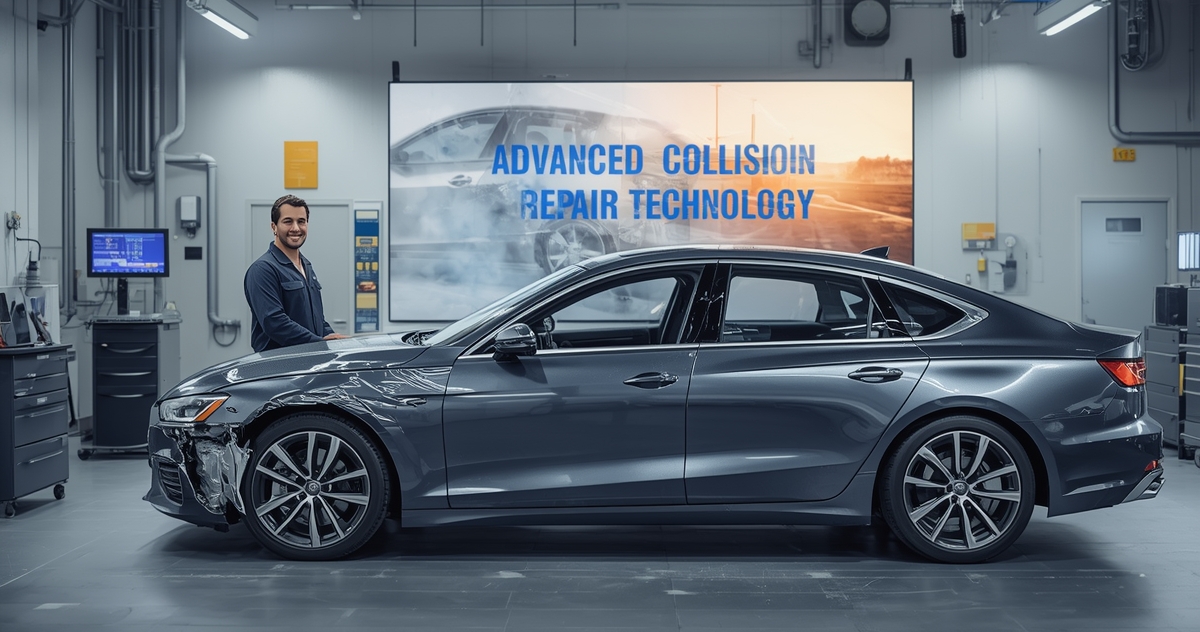
When most people think about collision repair, they picture fixing dents, replacing panels, and getting a new coat of paint. While those are important steps, modern auto body repair goes much deeper. Today, advanced technology allows technicians to restore not just the look of a vehicle but also its safety, performance, and long-term reliability.

At Breezy Point Auto Body in Stratford, CT, staying up to date with the latest repair tools and techniques ensures drivers get more than just a cosmetic fix. The real goal is to bring your car back to factory standards, so it’s just as safe to drive as the day it rolled off the lot.

Why Safety Matters After a Collision

Even a minor accident can affect the structural integrity of your vehicle. Modern cars are designed with crumple zones, sensors, and advanced materials that distribute impact energy in a crash. If these components aren’t repaired correctly, your vehicle might not protect you the way it should in another accident.

That’s why certified collision repair centers take repairs seriously. It’s not only about restoring appearance—it’s about ensuring airbags deploy properly, crumple zones absorb energy, and safety systems remain intact.

Technology Changing Collision Repair

The auto body industry has transformed in the past decade. Shops are no longer relying on guesswork. Instead, they use advanced equipment that brings precision to every step. Here are some of the leading technologies making a difference:

  • Vehicle Diagnostic Scanning: Today’s cars are computers on wheels. After a crash, diagnostic scanning identifies hidden issues with sensors, cameras, and safety systems like lane assist or adaptive cruise control. Without proper scanning, these features may not function correctly.
  • Laser Measuring Systems: Frame damage can be invisible to the naked eye. Laser tools check the alignment of the chassis down to millimeters, ensuring the structure matches manufacturer specifications.
  • Computerized Auto Paint Mixing Machines: A quality repair should blend seamlessly with the rest of the car. These machines match the exact factory shade, so repaired panels look like nothing ever happened.
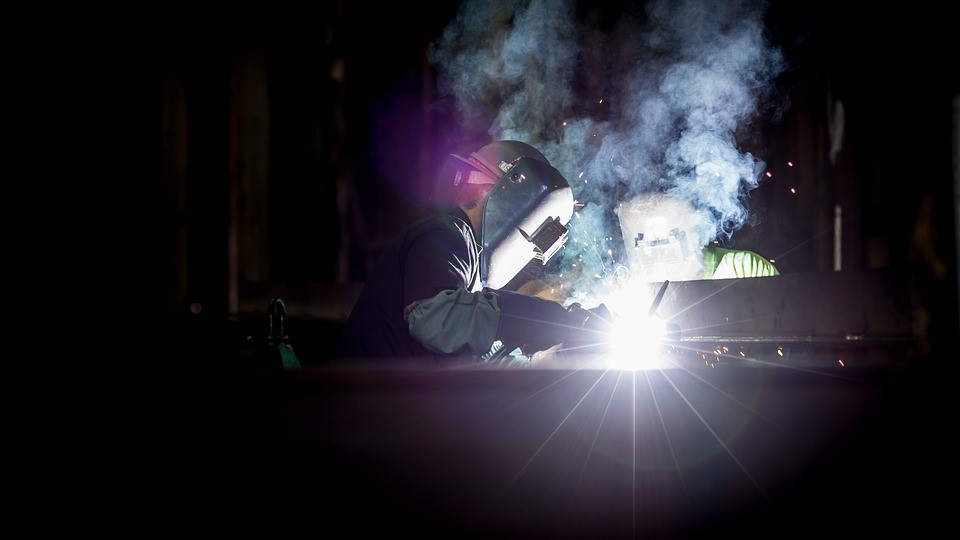
  • Advanced Welding and Materials Repair: Modern vehicles use high-strength steel, aluminum, and even carbon fiber. Specialized equipment ensures these materials are repaired without compromising safety.

Full-Service Collision Repair in Stratford

A full-service auto body collision repair shop handles much more than bodywork. At Breezy Point Auto Body Stratford CT, trained technicians focus on both appearance and function. From car body repair paint services to structural repairs, the process is detailed and precise.

The steps usually include:

  • Disassembly and inspection to uncover hidden damage
  • Frame straightening and alignment using advanced measuring systems
  • Panel replacement or repair using manufacturer-approved methods
  • Body repair and painting with computerized color matching
  • Reassembly and safety system recalibration
  • Final vehicle diagnostic scanning to ensure everything functions correctly

The Role of Paint and Finish in Safety

Paint isn’t just for looks. Protective coatings prevent rust and corrosion, which can weaken structural components over time. An auto body and paint service also ensures repairs blend into the car’s design. With computerized mixing and classic colors collision repair, customers get a flawless finish that protects their investment.

Why Choose a Certified Collision Repair Center

Not every auto body shop Stratford has the same capabilities. A certified collision repair center follows manufacturer guidelines, uses specialized equipment, and ensures technicians are trained on the latest repair standards. This is especially important for vehicles with advanced driver-assistance systems (ADAS).

Choosing a certified shop also helps maintain the value of your vehicle. Insurance companies often recommend certified facilities because repairs are guaranteed to meet safety and quality standards.

The Growing Demand for Advanced Repairs

According to industry studies, nearly 65% of vehicles produced in 2025 will feature ADAS technology. That means cameras, radar systems, and sensors must be recalibrated after repairs. Shops that don’t invest in this technology risk sending drivers back on the road with systems that aren’t working properly.

For drivers in Connecticut, finding the best auto body repair shop near me often means looking for a facility equipped to handle these advanced needs. Breezy Point Stratford CT continues to adapt to these changes, offering auto body collision repairs that combine craftsmanship with modern technology.

When to Seek Collision Repair

You don’t need a major crash to warrant a visit to an auto body shop Connecticut drivers can trust. Even small accidents can cause damage that affects alignment, safety features, or electronics. Here are some signs you should seek collision repair Stratford services right away:

  • Uneven tire wear or pulling to one side while driving
  • Warning lights on the dashboard after an accident
  • Doors, trunk, or hood not closing properly
  • Paint cracking, bubbling, or rust starting to form
  • Visible dents or scratches affecting panels or bumpers

Ignoring these issues may lead to bigger, more expensive problems down the road.

Bringing Your Car Back to Life

At its core, collision repair is about restoring confidence. Drivers want to know their car not only looks good but is safe for their family. Thanks to advanced diagnostic tools, computerized systems, and skilled technicians, modern auto body repair Stratford CT delivers that peace of mind.

When choosing an auto body shop, look for:

  • Certified technicians trained on your vehicle make and model
  • A full range of services including structural, paint, and electronic repairs
  • Modern equipment like laser measuring and computerized paint systems
  • A reputation for quality and attention to detail

Conclusion

Collision repair has moved far beyond fixing dents and repainting panels. With today’s advanced technology, auto body shops ensure your vehicle’s safety systems, structure, and performance are fully restored. From vehicle diagnostic scanning to computerized auto paint mixing, every step matters in returning your car to factory condition.

If you’ve been in an accident and want more than just a surface-level fix, trust a shop that puts safety first. Breezy Point Auto Body offers the expertise and technology needed to restore both the look and integrity of your vehicle.

Ready to get your car back on the road safely? Visit Breezy Point Auto Body to learn more about collision repair and schedule your appointment today.

The Secret To An Exceptional Custom Paint Job

Two words. Polyester Primer! It is highly valued by professional auto body paint technicians for a few important reasons which we are about to share with you. First, we’d like to point out that it is only one material that is used in the body panel repair and refinishing process, but a very necessary one to ensure a quality job. So what’s so great about poly primer?

It offers HIGH BUILD.   As it is sprayed on a surface, the high building properties of polyester primer excel in filling minor pitting in metal and imperfections on body- work or metal.  While not as easy to apply as a conventional body filler, technicians who build up the surface is a more uniform way by spray and blocking poly primer will see better results in the end.  

It has HIGH SOLIDS.   Due to the high solid content in poly primer, there is very little shrinkage on panels.  This means it can be sprayed and blocked, primed and painted over without the primer shrinking, then causing imperfections in the surface of the paint when the job is complete. 

It provides a LASER STRAIGHT FINISH.   Spraying a final coat of polyester primer over the last round of body filler helps achieve a single uniform coat ready to block sand for a perfect panel.   This last step is key, as it can help achieve an award-winning look, as opposed to an average paint job.   

PRO TIP!   The most knowledgeable and experienced pros (including our team at Breezy Point Auto Body)  will block sand and apply poly primer several times and block the vehicle before sealing it up with a urethane primer or sealer.  So now you know the secret to an exceptional custom paint job. 

Paint and Refinishing Certified, our use of polyester primer in the auto repair and repainting process illustrates our commitment to quality at Breezy Point Auto Body.  From accurate estimates and insurance claims processing assistance to the performance of precision repairs from the framework, mechanical and electrical to the body and refinishing, excellent customer service during every step of the repair process is always our goal.  We believe that goes a long way in explaining why we’ve has been serving Fairfield & New Haven Counties since 1960! Do the math, and you’ll find that’s 60 years of unparalleled quality and service, which we look forward to providing you. 

For vehicle scanning, full-service collision repair, computerized straightening, and/or computerized paint mixing/matching using the most advanced state-of-the-art equipment click on https://breezypointautobody.com/contact/ to request an appointment or give us a call at (203} 378-4909.  If you’d like to stop by our shop, set your GPS to 75 Access Road, Stratford, CT 06615.  

Family-owned & operated your satisfaction isn’t merely a goal, it’s what drives us.  From the moment you enter our facility, until the day you pick up your repaired vehicle, we never quit working for you and always you’re your needs first. We even guarantee all our work with a written warranty. Every repair is done as if our own family will be in the vehicle when it leaves our facility. Not everyone can say that!

TO FILE OR NOT TO FILE AN AUTO INSURANCE CLAIM?

It’s the first question that pops into so many people’s heads following a car accident. That’s because drivers often fear that filing an auto-insurance claim (especially when no injuries are caused and/or the damage is minor) may result in an increase in their car insurance premium if they are “at fault.” While the notion of negotiating an out-of-pocket settlement to avoid higher insurance costs may sound like an attractive alternative, settling the accident with another driver without the help of your insurance company could be risky.

Chances are this person is someone you’ve just met, so you don’t know exactly who you are dealing with. If you agree to a set amount and pay for repairs, what’s to stop him or her from coming back months later demanding more? Plus, there really is no way to determine how far someone is willing to go. An additional request for additional cash could, at the very least, cause you stress or result in a lawsuit that will likely prove more costly, either in time, money or both.

No matter how minor an accident may seem, if you are at fault or not, it is always wise to swap insurance information with the other driver, call the police to file an accident report and contact your insurance company.
It is also important to have your vehicle inspected at a reputable collision center. While the damage may seem apparent, other issues may be hidden from sight with repairs more costly than you might realize. An accurate assessment by a trustworthy auto body expert, also skilled in filing insurance claims, is the best way to ensure your vehicle and/or the other driver’s vehicle is returned to pre-accident condition.
Bottom line, minor to major collisions involving other drivers should be reported to your insurance company and taken to a trusted collision repair center for an accurate assessment of damage, claims filing and precision repairs .

But what about single car wrecks? If you accidentally cause minor damage to your vehicle, such as backing it into your mailbox, it may not be worth it to contact your insurer. Check your auto insurance policy to do the math, because minor repair costs may likely be less than your collision deductible.
If you cause a lot of damage (to your car and/or anyone else’s property) you should probably contact your insurance company. There is the possibility your rates could go up at renewal time because of your claim, but when damage is major – better safe (to ensure accurate repairs) than sorry. You’ll have to weigh the pros and cons to decide. Don’t forget, if you have accident forgiveness, to check the parameters to see if this particular incident qualifies.
Want a professional point-of-view on the damage? Breezy Point Auto Body has been serving Fairfield & New Haven Counties since 1960, and we’d be happy to take a look at your vehicle, offer an assessment and answer any questions you have. Click on https://breezypointautobody.com/contact/ to request an appointment or give us a call at (203} 378-4909. If you’d like to stop by our shop, set your GPS to 75 Access Road, Stratford, CT 06615.  It will be our pleasure to return your car, truck, van or SUV to its “pre-accident” condition.

Long Live The Finish On Your Car, Truck Or SUV

Congratulations, you’ve had your vehicle repainted. Enjoy the brilliant shine and renewed beauty, then take these simple tips “to heart”  to ensure the finish stays in the best condition.

#1 –Take cover by parking your vehicle in a garage or carport when it’s not in use. If that’s not possible, rely on an outdoor car cover to shield your vehicle from the elements. Ultraviolet (UV) rays from the sun will oxidize and fade automobile paint over time, so it’s a great investment if you don’t already have one.  It should be 100% waterproof and made with breathable fabrics to avoid moisture buildup on the underside that could cause mold, mildew or rust. Available for coupes, sedans, convertibles, vans, trucks and SUV’s, make sure you choose the proper size for a snug fit and the best protection.  

#2 – Look up when parking, and try to avoid spots near trees and overhead power lines where birds like to gather.  Tree sap, nuts, branches and bird droppings can wreak havoc on a vehicle’s finish. Also avoid parking close to other cars, trucks or SUV’s  in public parking lots. It may take a few extra steps to get to your destination, but it will minimize the likelihood of dents or dings from hastily opened car doors, or a runaway shopping cart that could result in chipped or peeling paint.   As an added benefit, you’ll also decrease your chances for a “fender bender” when you park faraway from the crowd. 

#3 – Be meticulous, and remove any traces of bird “bombs,” sticky tree sap or any other substance that may harm the paint as soon as you notice it; and be sure to have your car, truck or SUV washed on a regular basis (at least a few times per season). Applying car wax also helps to prevent sun damage and stop pollution, grit and dirt from sticking to the finish, so don’t skip this critical car care step.   Whether done by yourself or as part of a professional detailing, waxing goes a long way to keep your vehicle’s paint job pristine. 

#4 – Wash, no matter the season.  When it’s cold outside, it’s easy to justify holding off on a car wash until spring.  But with today’s modern technology, there is no reason to do so. Featuring specialized equipment such as high-pressure sprayers, effective soaps, soaking agents and thorough drying methods, full-service car washes are proficient at whisking away dirt and grime without causing annoyances such as frozen locks or wiper blades stuck to the windshield. When the temperature rises above 32 degrees, an automatic car wash also serves as a fast and less costly option. Either way, it’s important to have your car washed in the winter. 

#5 – Be proactive to prevent corrosion. Road salt and de-icing chemicals used on slippery roads are the top two causes of paint damage as well as rust in the winter.  Wipe salt & de-icer residue off your vehicle with a damp cloth between routine car-washes. Remember to use a soft cloth or chamois, as rougher rags and towels can scratch the paint’s finish. If you notice any dents, dings, scratches or corrosion, turn to Breezy Point Auto Body to help you  prevent the damage from spreading. 

You may reach us by calling 203-378-4909 or use our convenient Contact Form. If you’d like to stop by our shop, set your GPS to 75 Access Road, Stratford, CT 06615.  At Breezy Point Auto Body, it is our pleasure to help you get “the most” out of your car, truck, van or SUV. 

What to Do After a Car Accident: Safety Precautions and Next Best Steps

Accidents are always unfortunate, but knowing what to do can help ease the situation. Being prepared for what happens before and after an accident can help you minimize your stress and reduce the negative consequences you may face.

Accidents are always unfortunate, but knowing what to do can help ease the situation. Be prepared for what happens before and after an accident by keeping Breezy Point Auto Body's phone number handy!

Before the Accident Happens

There are a few things you can do to prepare for the worst. Defensive driving classes with help you gain the skills it takes to avoid accidents due to other people’s driving. With defensive driving classes, students learn to improve their driving skills by reducing their driving risks, anticipating situations, and making safe well-informed decisions.

Having an emergency kit in your car is a great way to be prepared for any road emergency. A flashlight, orange cones, first aid kit, paper and pens, a charged phone, and emergency tools should all be included in your kit.

What to Do After a Car Accident

If you do find yourself in an accident, there is a proper procedure to handle the situation. First, stop and evaluate the scene. Assess what has happened and the damage that has occurred. Don’t spend too much time on this if you are still in the middle of the road.

Move your car to a safer area if possible. At this point, you should contact the authorities. Mark the scene and document the damage. These photos will be helpful for your insurance claim.

Now you can call your insurance company and let them know about the accident.

It is recommended that you always go to the hospital after an accident. Even if you don’t feel pain the first day, or even if you think the whiplash will subside, you should still see a doctor. You should see a medical professional within three days, but the sooner the better.

What to Not Do After a Car Accident

The first rule of car accidents is to never admit fault. Let the insurance company and the proper authorities decide. Don’t lose your temper. This won’t help the situation. Don’t say “I am fine” or “I feel ok.” You should always see a doctor after a car accident.

Many people believe that you don’t need an attorney after an accident. However, the best thing you can do is call your accident attorney, even before you call your insurance provider. While you may have an obligation to cooperate with your own insurance company in certain circumstances, a lawyer can provide you with expert advice before you agree on any settlements, especially while you are still in shock after an accident.

Prepare for the Worst

If the car accident is serious, you may be dealing with a lawsuit. In that case, you will need the help of an accident attorney. You may be held responsible for the other parties medical bills and car repair.

Repairing Your Car

If you’ve been in an accident, you will probably have some damage to your vehicle. Most collision damage is repairable if you go to a skilled garage. Most auto body shops car repair dents, paint loss, and even structural damage.

Breezy Point Auto Body in Stratford, CT can handle all of your auto body repair needs. We specialize in collision repair and can get your car looking like new again. Contact us to learn more.

And just so you have it handy, you can reach us by calling 203-378-4909 or use our convenient Contact Form. If you’d like to stop by our shop, set your GPS to 75 Access Road, Stratford, CT 06615.

How An Auto Body Repair Shop Matches Paint to Your Vehicle

To perfectly restore dents, dings, and scratches on the body of your car, collision repair technicians will most likely need to apply a new coat of paint. It is vital to match your paint color perfectly. Without a matching shade, the work may look unprofessional and maybe even look worse than the actual scratch or ding ever would.

It is vital to match your paint color perfectly. Without a matching shade, the work may look unprofessional and maybe even look worse than the actual scratch or ding ever would. Breezy Point Auto Body are experts at getting everything just perfect, right down to the correct shade of paint.

Vehicles with custom paint jobs can make it difficult for collision repair technicians to find matching colors to complete the job. Older, classic cars run into this problem frequently because the manufacturer has likely discontinued the paint. But with new technology, it’s possible to match almost any paint color.

To find a matching paint color for a damaged vehicle, collision repair technicians use a computerized paint-matching system to identify the exact shade of the vehicle’s current color. The system measures the amount of light and the exact hues on the car’s current paint finish. This data is then paired with the vehicle’s VIN to electronically find the paint formula on the vehicle’s existing finish. Through computerized paint matching systems, that paint color is then replicated and applied over the damaged area, leaving you with a car that looks brand new.

Before repainting

Whether you’re repairing a chip or repainting the whole car, prepping the paintwork is just as important as applying the paint, and plays a huge part in the quality of the end result. All dings and dents should be repaired before the painting process. The surface should be sanded, cleaned, and prepped before any painting can begin.

Paint drying

A professional paint shop usually covers the newly-finished car to protect and prevent it from gathering dust, possible overspray, and other contaminants. This is usually an automotive wrap that allows air between the film and your vehicle’s surface to protect it from the external environment.

While it’s tempting to get your car washed after picking it up from the shop, fresh paint requires proper curing and you shouldn’t soap a car down until after 30 days have passed.

If you must clean it, simply wash it down gently at home with cold water and a microfiber mitt in the shade. Be as gentle as possible to avoid scratches. Wipe dry immediately with a microfiber towel. This will help your car look great while avoiding scratches or disturbances on your freshly painted car.

It is not recommended to expose your new paintwork to harsh conditions before it’s fully cured. Let your car stay in the garage for at least two months. Only drive it when absolutely necessary and when the weather is fair.

You may think it’s harmless to wax your car and that it will protect your newly painted finish. Experts don’t recommend this, as the curing process involves the paint off-gassing itself. Applying wax will hinder it from doing so. Instead, wait for it to fully cure. 60 days after painting is the ideal time to wax your car and make sure to only use real carnauba wax. Now that you know a little more about the process, you can feel confident taking your car to an auto body shop for paint repair. When it’s time to repaint your car, you’ll need the help of a professional Auto Body Shop like Breezy Point Auto Body in Stratford, CT. Give us a call if you need more information, or to schedule an appointment.

Just so you have it handy, you can reach us by calling 203-378-4909 or use our convenient Contact Form. If you’d like to stop by our shop, set your GPS to 75 Access Road, Stratford, CT 06615.

How to Flux Weld – Breezy Point Auto Body are the Experts! Call Us!

If you’re not ready to take on a welding project on your own, enlist the help of Breezy Point Auto Body in Stratford, CT. Contact us if you have any questions or would like to set up an appointment. Call 203-378-4909.

Flux core welding is a specialized process that uses a hollow wire electrode fed through the welding gun and into the joint. One main benefit of this process is that flux core welding doesn’t require a shielding gas to protect the weld pool. Flux core welding is typically used when welding thicker metals. It is ideal for heavy-duty, industrial, or automotive applications since the finished bond is very secure. One of the main benefits of flux core welding is that it can be easily performed outside in a variety of conditions, quickly and effectively.

Before you begin, you must take your safety into consideration. Make sure to wear welding goggles, a welding mask, gloves, a leather apron, and work boots. Wear goggles under the mask to protect from hot slag and debris. Make sure to wear safety goggles at all times, even during cleanup. Always wear welding gloves, even during setup and cleanup to prevent cuts from metal edges. Additional safety garments can include a properly fitted welding jacket and proper work pants. Denim is recommended for ultimate comfort and safety.

The first step is to gather all your equipment. This includes your flux cored welder, ground clamps, slag chipping hammer, wire brush, and a spool of flux core wire.

To start, cut your steel to size. The steel must be free from any rust, paint or other contaminants. Clean it with a carbon steel wire brush to remove any debris. Next, load the wire into the machine by following the proper instructions that came with your machine.

Connect the grounding clamp to the workpiece. Clean the area the clamp contacts the workpiece with a wire brush. Clamp the workpieces together with C-clamps, locking pliers or magnetic squares.

Set the correct voltage, amperage and wire feed speed for your project. Tap the wire to the steel and quickly pull back, striking an arc. Keep squeezing the trigger as you move the gun along the steel. Move at the right speed for the steel, this will take some testing on your part.

Finally, Unplug the welder, but keep your safety equipment on. Using a slag chipping hammer, chip all of the slag off of the weld. A spring handled hammer is easy to grip even with gloves on and reduces shock for long periods of work. Brush the weld with a nylon wire brush to get the little bits of slag out. Flux core welding is something you can master only with experience. If you’re not yet a pro, practice on scrap or test projects before taking on tougher work. Flux core welding can take time to learn, so don’t jump into important projects right away. Make at least a few test welds first even if you’re already familiar with other types of welding. If you’re not ready to take on a welding project on your own, enlist the help of an auto body shop. Breezy Point Auto Body in Stratford, CT is available for all auto body repair needs, including welding. Contact us if you have any questions or would like to set up an appointment.

Just so you have it handy, you can reach us by calling 203-378-4909 or use our convenient Contact Form. If you’d like to stop by our shop, set your GPS to 75 Access Road, Stratford, CT 06615.

What is the Difference Between PDR and Body Work?

Ready to get those dents and dings out of your vehicle? Before you take your car into the shop, you should know a little bit about your options. Call Breezy Point Auto Body, Inc at 203-378-4909. We'll tell you how it is. If you'd prefer to stop by our shop, set your GPS to 75 Access Road, Stratford, CT 06615.

Ready to get those dents and dings out of your vehicle? Before you take your car into the shop, you should know a little bit about your options. There are a couple of different ways that an auto body shop can go about your repairs. PDR and bodywork are both great ways to repair your vehicle depending on the severity of the dent.

What is PDR?

PDR or Paintless Dent Repair refers to the process of fixing dents and other damage without compromising the original paint job of the car. Paintless Dent Repair (PDR) can be used to fix anything from minor hail damage and door dings to larger dents. As long as the damage isn’t extensive, and hasn’t already damaged the paint, PDR can be a great option.

To perform Paintless Dent Repair, the technician needs to create a pathway to the dent. In most cases, PDR requires access to the back side of the dent, which means some components of the vehicle will have to be removed. This can include the taillights, body panels, or even interior panels of the car. Special tools are then utilized to carefully massage the exterior back to its original position. Paintless Dent Repair requires no fillers and no sanding. This way no re-painting (and re-painting costs) are required.

Many consumers prefer this process because it is cost effective as well as more environmentally friendly since it requires little to no chemicals. PDR can’t be used for all repairs. If you have extensive damage, or your paint job has already been compromised, this may not be the best option.

What is Auto Body Work?

Auto body work refers to the repair of any of the exterior physical components of your vehicle. This can include paint repair, dent repair, glass repair, and frame straightening. Traditional auto body dent repair works by filling in auto body dents with paint or body filler, which is then matched to the rest of the vehicle’s exterior. While this process can make a vehicle appear as good as new, it doesn’t actually address the dent underneath. This makes it a less-sustainable option when it comes to repairing dents for the long-term. This style of repair can also negatively affect the resale value of your car.

The cost of traditional dent repair can quickly add up. If the paint job of your car has been damaged, an auto body technician will have to create a perfect match to repaint it. This can add time and cost to your dent repair.

While both methods will remove your dents, more and more consumers are finding PDR to be an effective and inexpensive alternative for minor damage removal. Paintless Dent Repair offers more for your money than traditional dent repair methods and is a great way to care for the condition of your vehicle’s exterior in an affordable way. Breezy Point Auto Body specializes in both PDR and traditional auto body work. If you are looking for an auto body shop in the Stratford, CT area, give us a call!

Just so you have it handy, you can reach us by calling 203-378-4909 or use our convenient Contact Form. If you’d like to stop by our shop, set your GPS to 75 Access Road, Stratford, CT 06615.